Nordatlantisk samarbejde · Årsrapport
2025
Supporting sustainable development across Iceland, Greenland, the Faroe Islands and Coastal Norway.

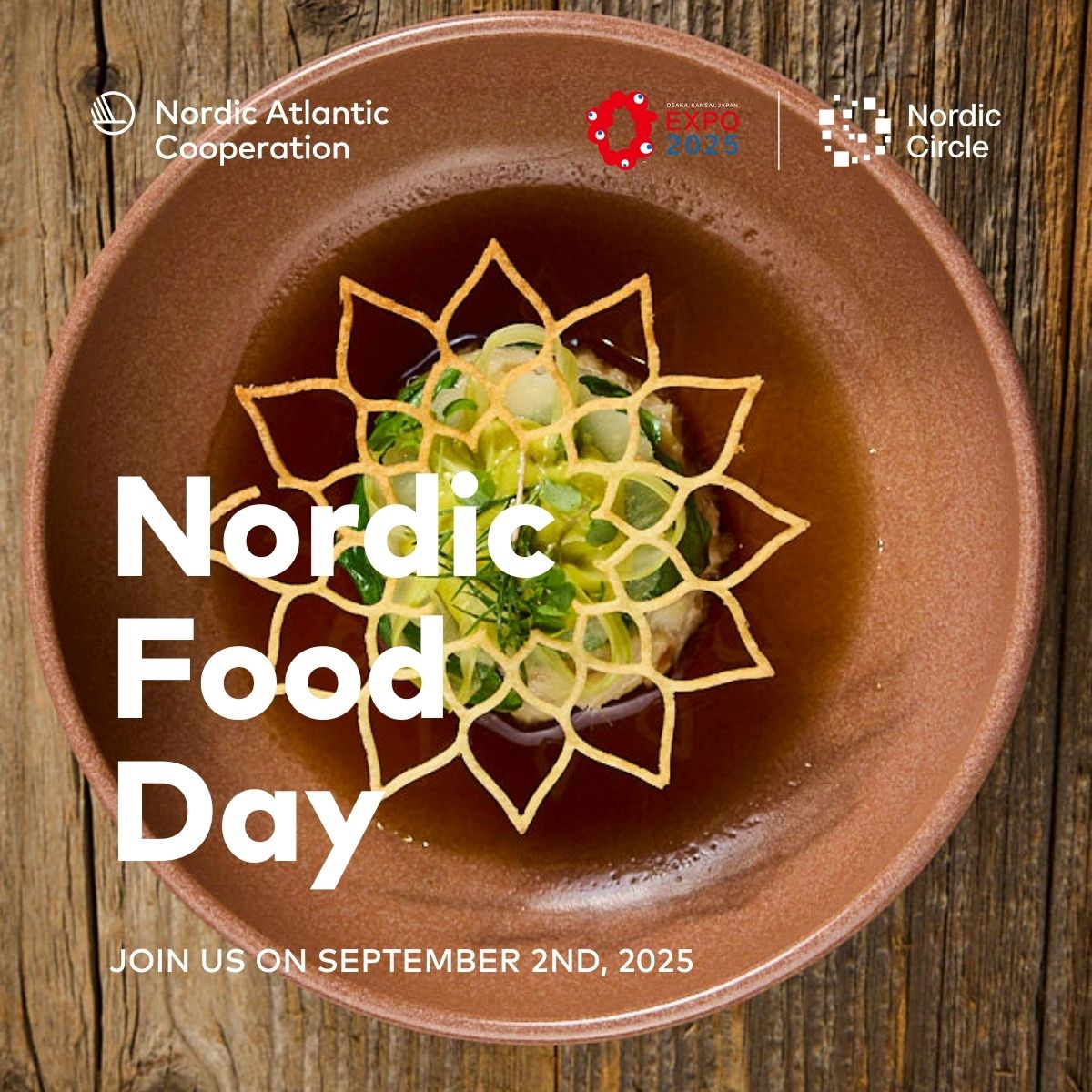
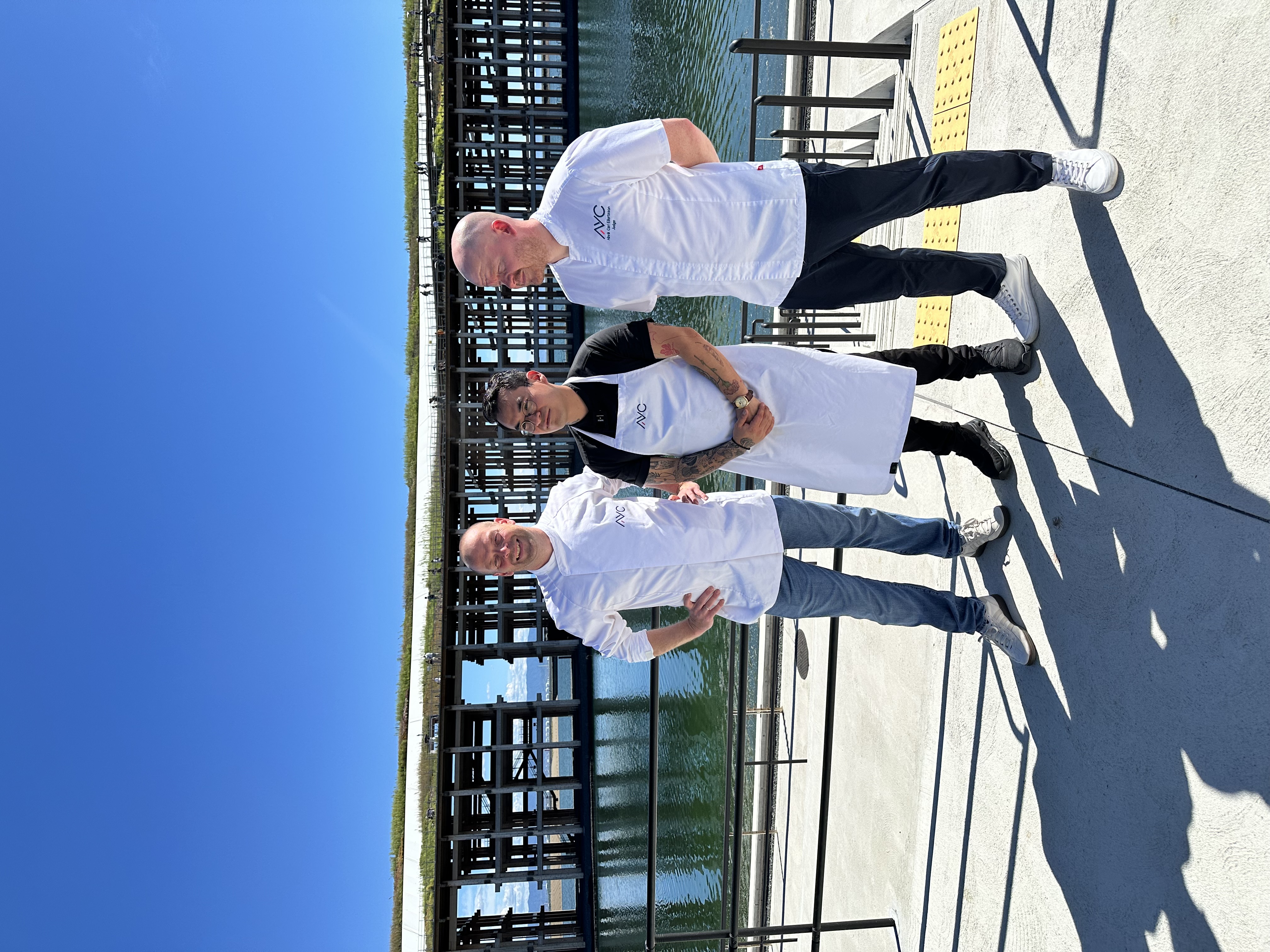
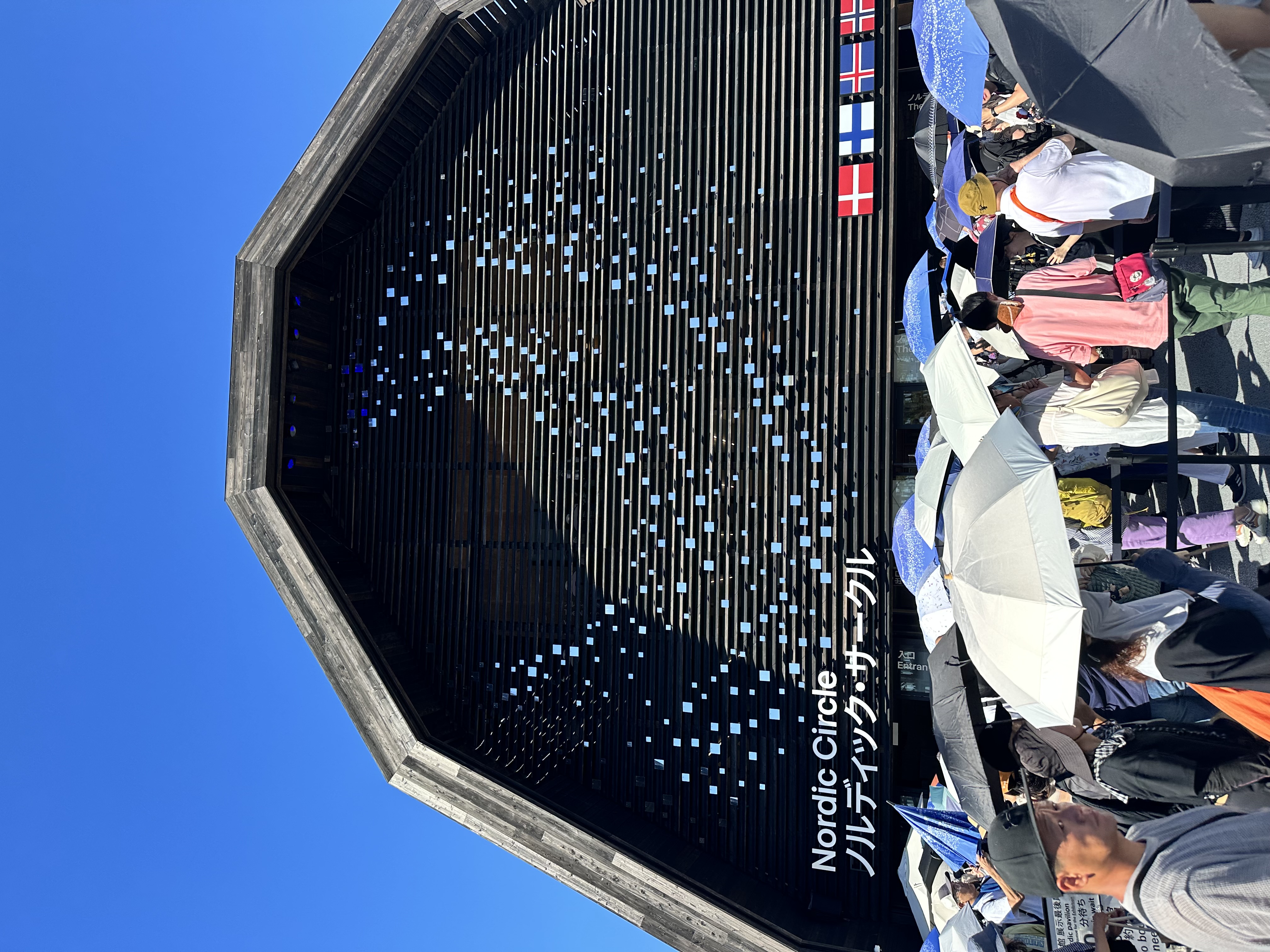
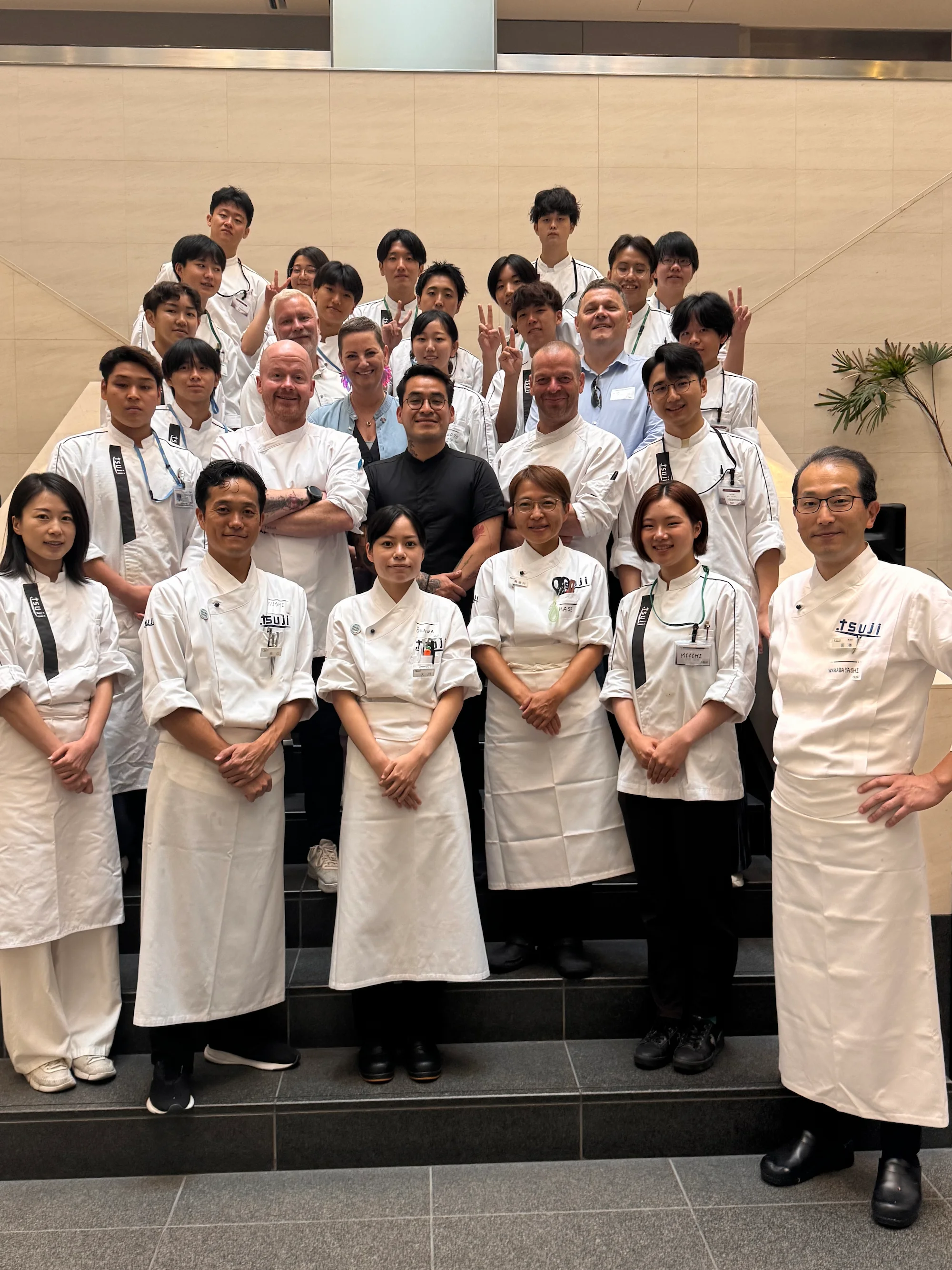
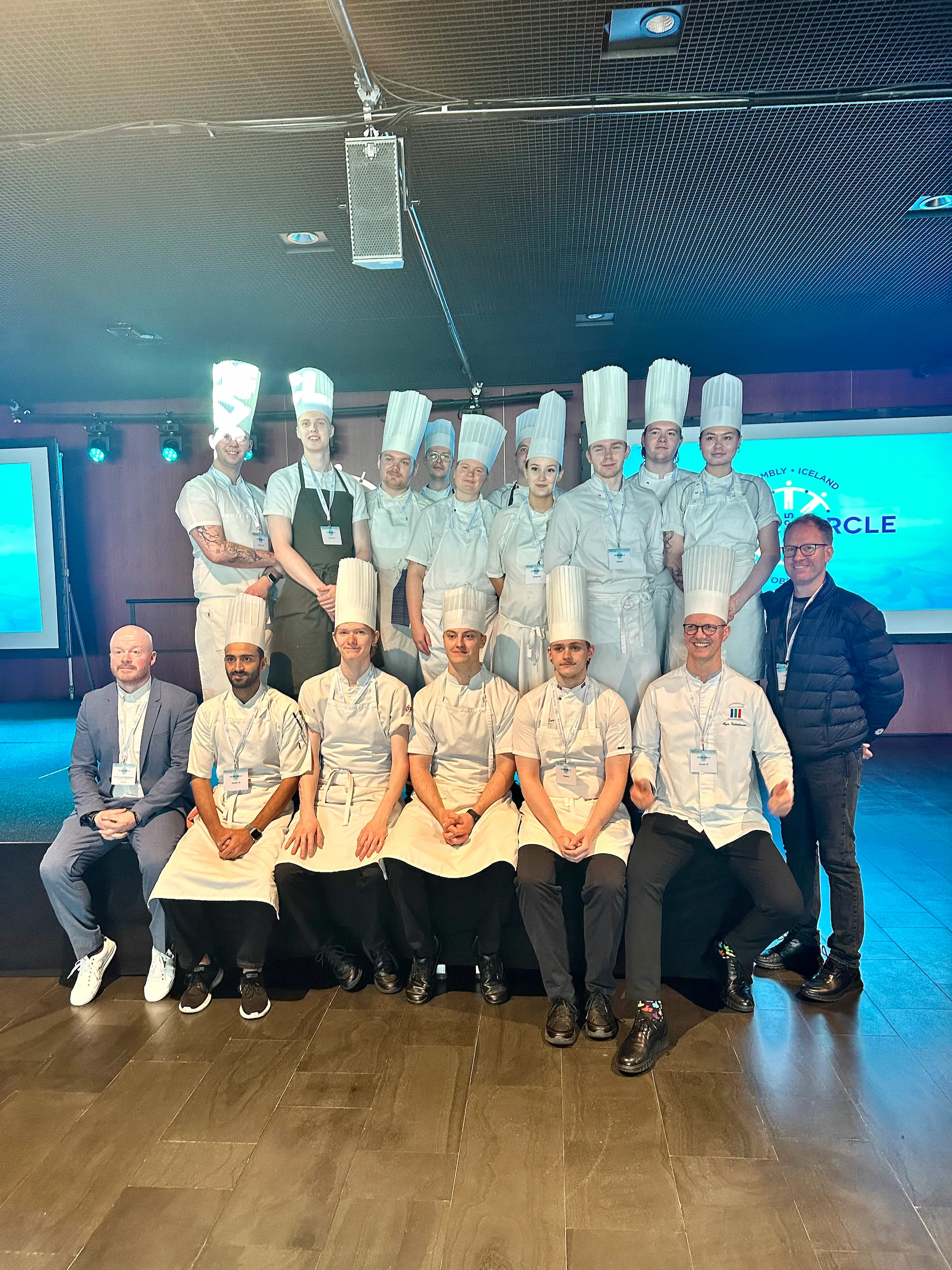
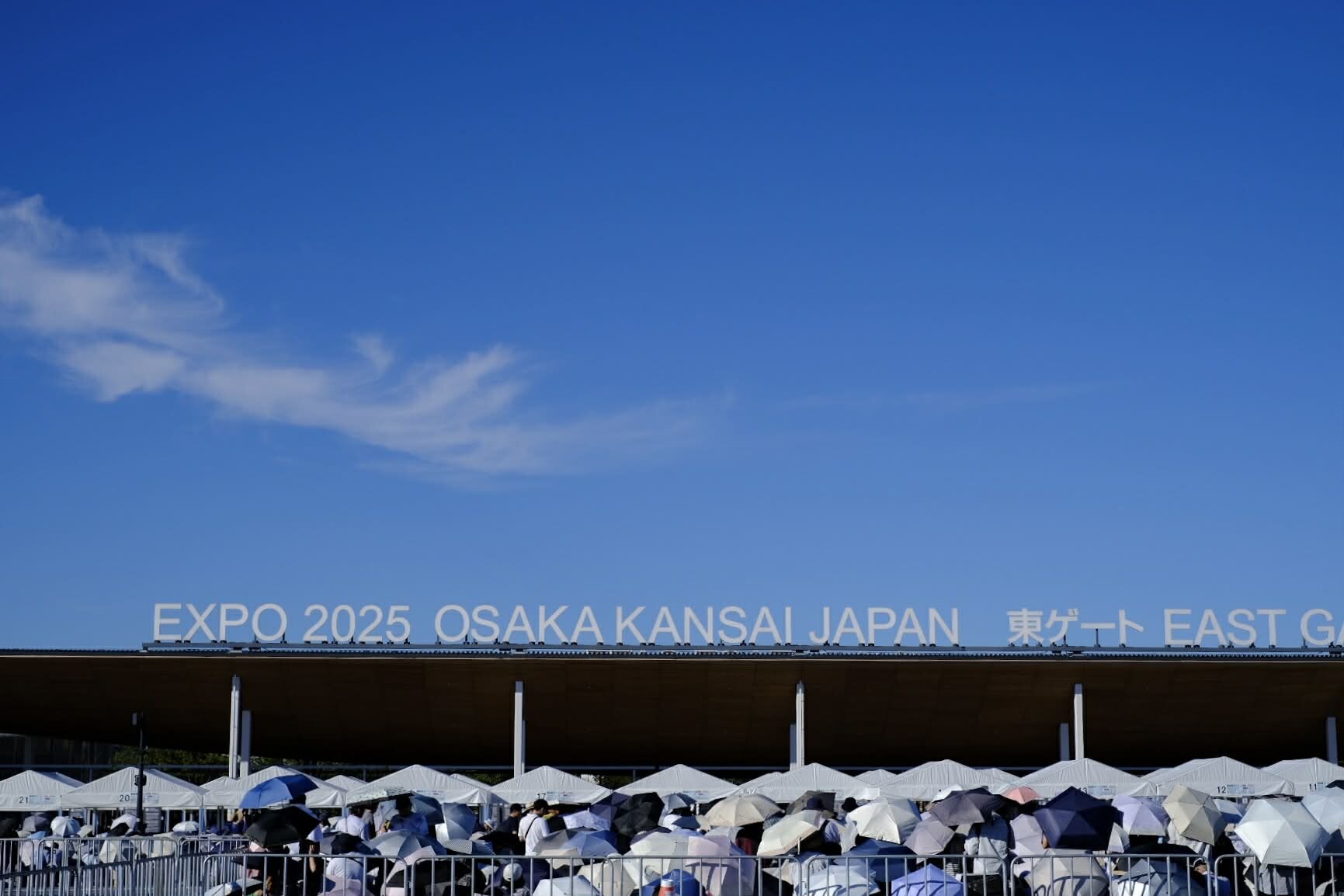
NORA's invitation to participate in the Expo 2025 world fair in Osaka, Japan was a significant recognition of our work to develop and draw attention to the potential of the North Atlantic region. NORA was chosen to use the Arctic Young Chef concept to showcase Nordic food culture in a global context. We see this as a clear expression of the strength and relevance that our long-term work in the areas of sustainability, innovation and local resources has achieved

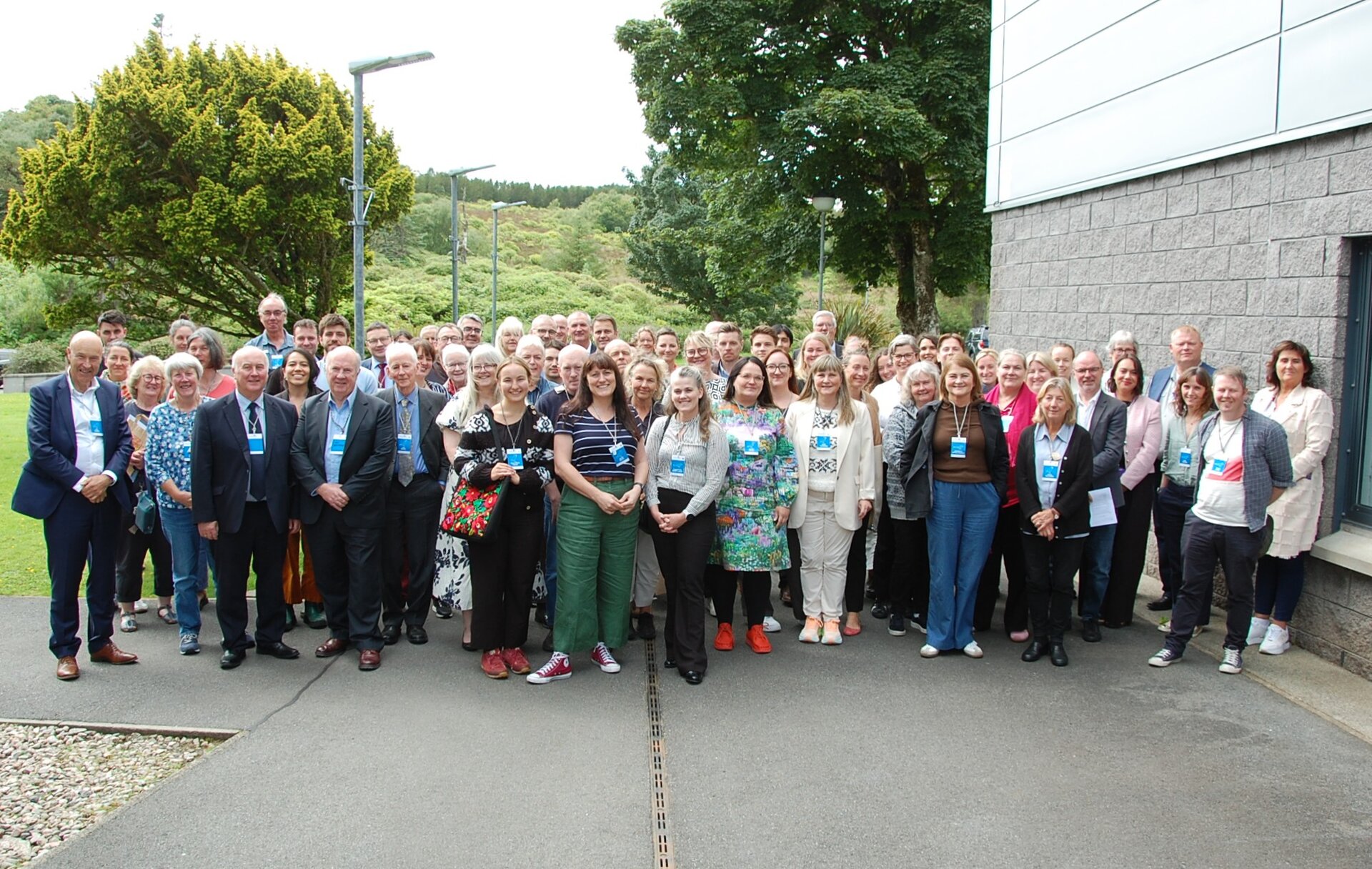
The conference at the University of the Highlands and Islands in Stornoway brought together around 70 participants from Scotland, including Shetland and Orkney, as well as Greenland, Iceland, the Faroe Islands, and Norway.

The conference at the University of the Highlands and Islands in Stornoway brought together around 70 participants from Scotland, including Shetland and Orkney, as well as Greenland, Iceland, the Faroe Islands, and Norway.
Experts, community leaders, and other relevant stakeholders from all countries and regions addressed economic challenges and explored sustainable development opportunities for North Atlantic island communities. Participants exchanged experiences and ideas aimed at strengthening sustainable futures for small island communities.
Through sessions, panel discussions, and group work, key themes emerged, including community-led development, youth engagement, and the need for long-term planning and resilience.
Working groups highlighted the need for place-based, long-term policies reflecting the realities of island life, rather than top-down approaches. There was broad support for strengthening community ownership models, including improved access to funding and relevant incentive structures. Housing challenges were also identified as a key factor affecting depopulation and youth retention.
The importance of early and meaningful youth involvement in decision-making was emphasised, including through representation, mentorship schemes, and entrepreneurial networks. In addition, there was a call to complement traditional economic indicators with measures of wellbeing, sustainability, and cultural value.
Conference presentations, the synthesis report, and group session notes are available at nora.fo/stornoway-2025. The conference was organised by NORA in collaboration with the Islands Book Trust.
From Stornoway to Reykjavík
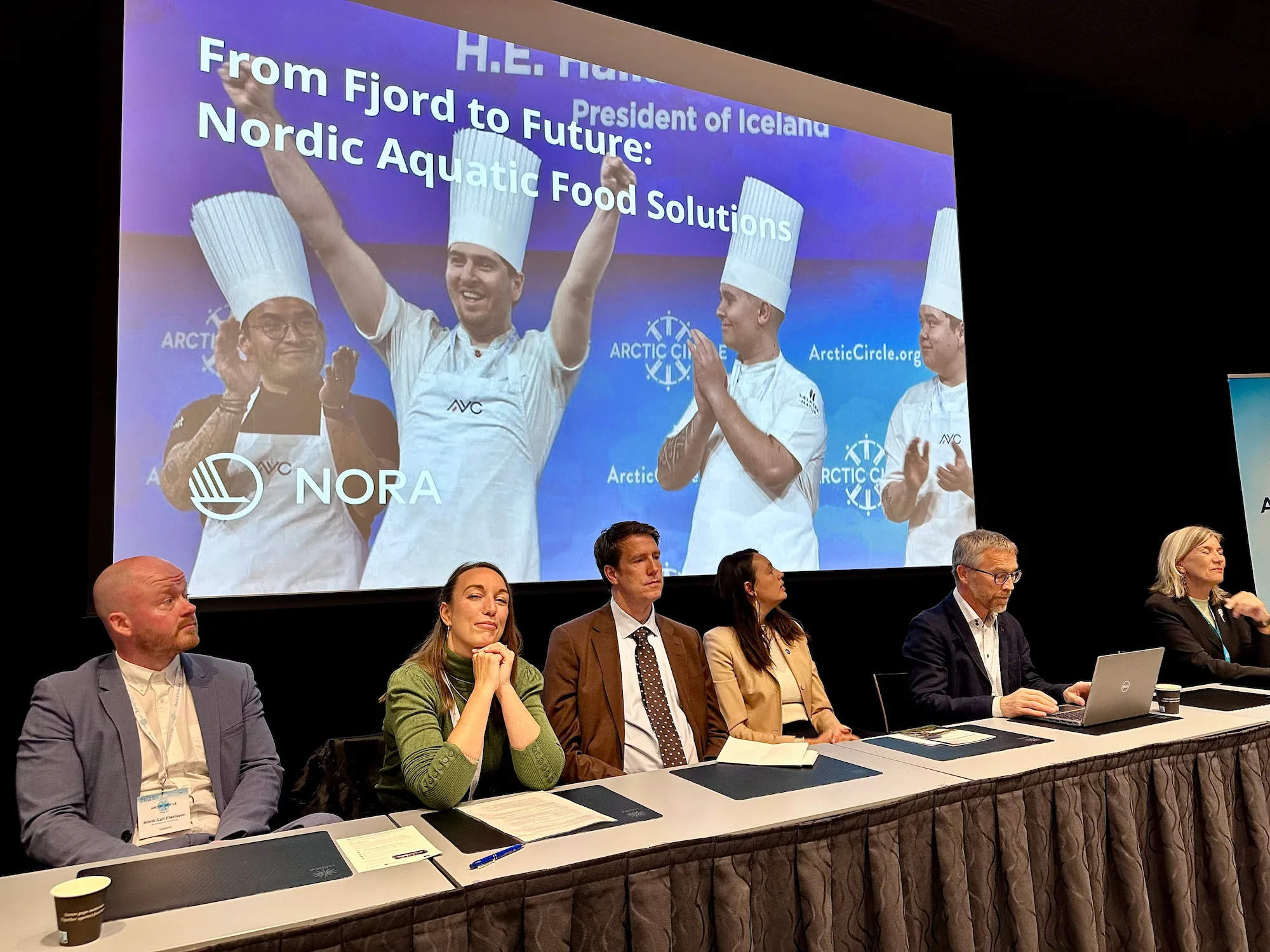
The discussions in Stornoway were continued at a breakout session during the Arctic Circle Assembly in Reykjavík in October 2025, organised by NORA in collaboration with the EU, Orkney Islands Council, and Nalik.
The session aimed to translate the conference outcomes into concrete recommendations for future cooperation across the North Atlantic and Arctic regions. It brought together stakeholders from policy, research, and regional development, including EU Arctic Envoy Claude Véron-Réville and representatives from Greenland, Iceland, and Orkney. The discussions reaffirmed key themes such as youth engagement, community-led development, and strengthened cross-regional cooperation.
The dialogue contributed to identifying priorities and forming a basis for continued work on actionable recommendations for sustainable island development.


Stories, faces and moments from across Iceland, Greenland, the Faroe Islands and Coastal Norway — updated as our projects unfold.

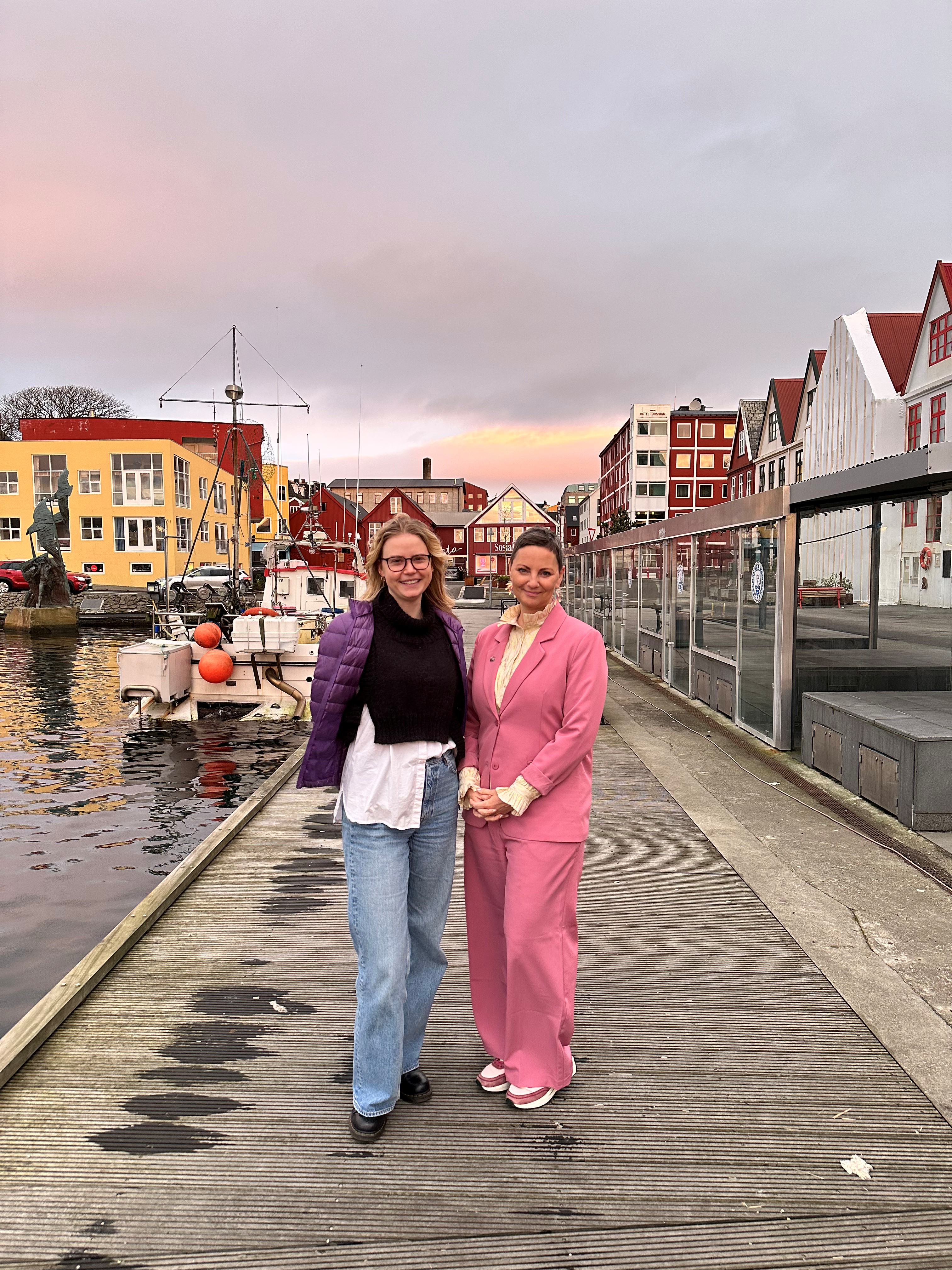
As part of its 2025 NORA chairship, the Faroe Islands chose to host a conference dedicated to exploring the potential of marine and coastal tourism in the North Atlantic.

As part of its 2025 NORA chairship, the Faroe Islands chose to host a conference dedicated to exploring the potential of marine and coastal tourism in the North Atlantic.
The background for selecting the theme was the belief that innovation and coastal tourism hold the key to unlocking sustainable growth across the NORA area. Despite the ocean’s central role for North Atlantic communities—geographically, economically and culturally—current tourism products and activities remain limited, often centred around fishing trips and traditional sightseeing.
The key questions were therefore:
How can tourism providers and stakeholders across the region develop and expand innovative and regenerative marine and coastal tourism experiences?
And how can we ensure that these create long-term value for local communities?
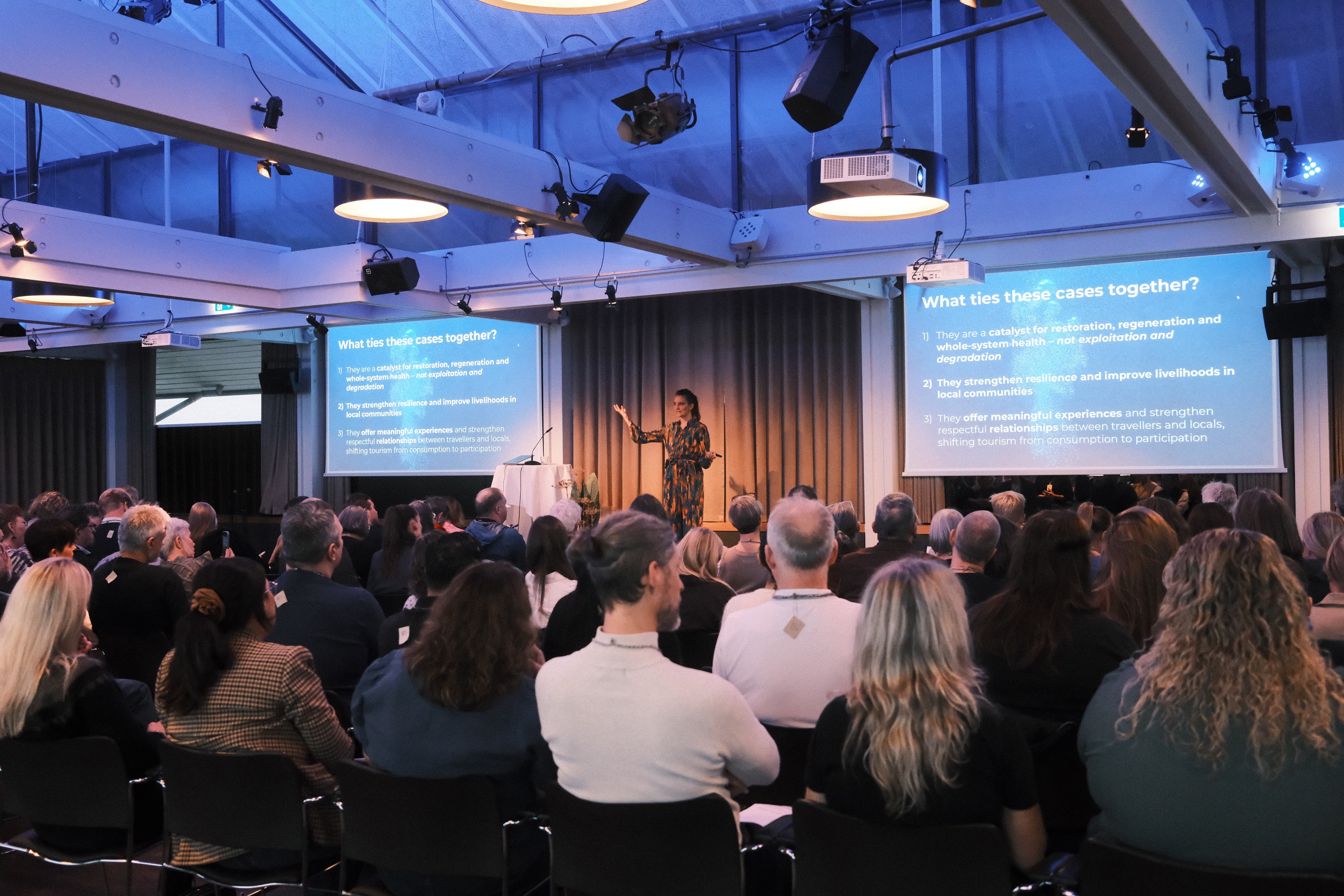
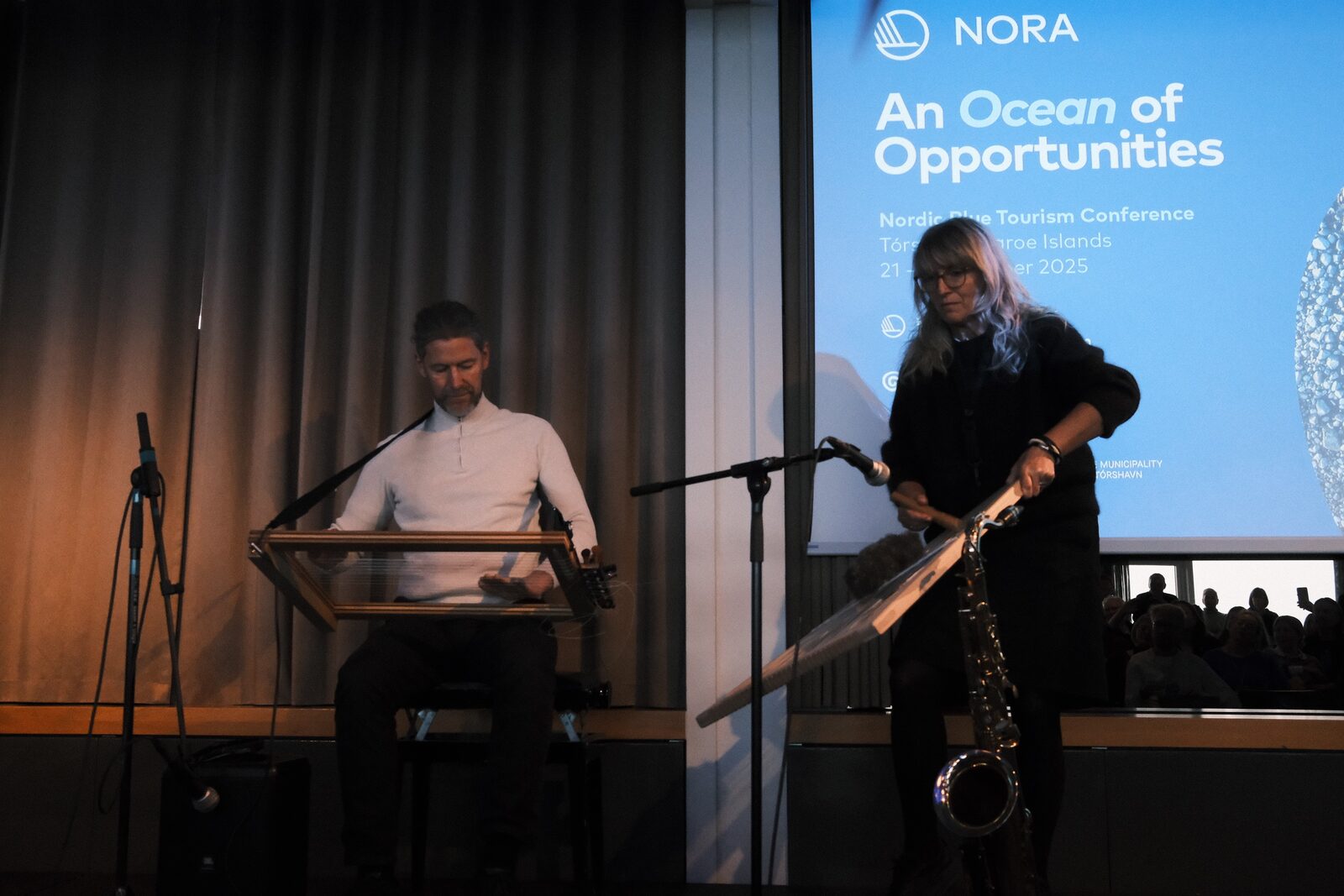
The Ocean of Opportunities conference took place at Hotel Føroyar in Tórshavn on 21 and 22 October and brought together more than 120 participants from across the Nordic region, Orkney, Ireland, the Azores, Italy and the United States. As the lead organiser, NORA created a platform for dialogue, knowledge-sharing and collaboration on the development of sustainable blue tourism.
Purpose and content
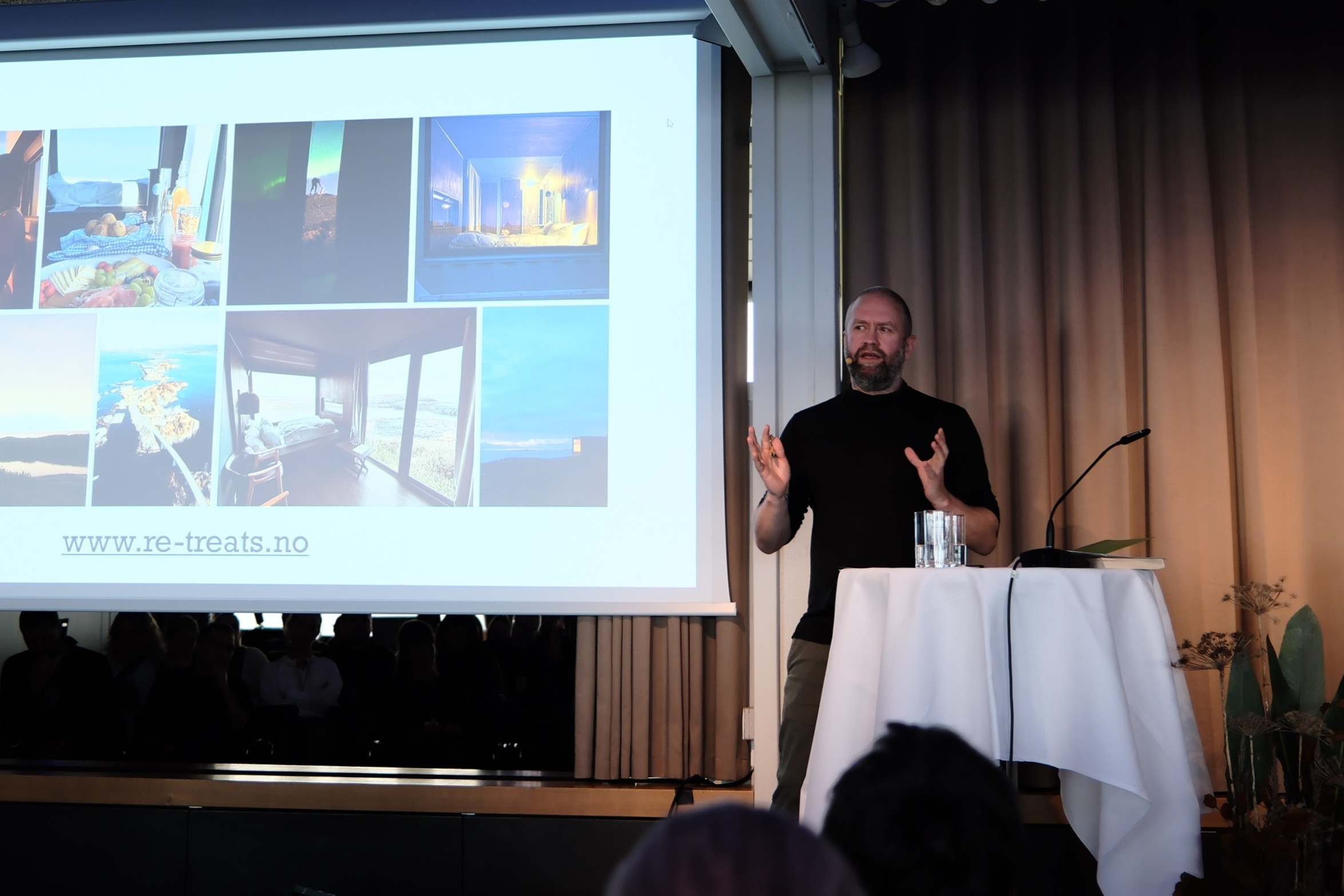
The two-day programme featured presentations, workshops and discussions. Laura Storm spoke about the importance of regenerative leadership, including the need to rethink blue tourism in order to move beyond the “doing less harm” approach and towards regenerative principles that restore and revitalise both people and nature. Cillian Murphy, meanwhile, emphasised that sustainable tourism begins within the community, and that community buy-in is essential if destinations are to develop in a socially responsible manner.
Participants were also introduced to a number of inspiring case studies, including:
- Examples from the Azores of educational activities that combine science and tourism (Carla Dâmaso)
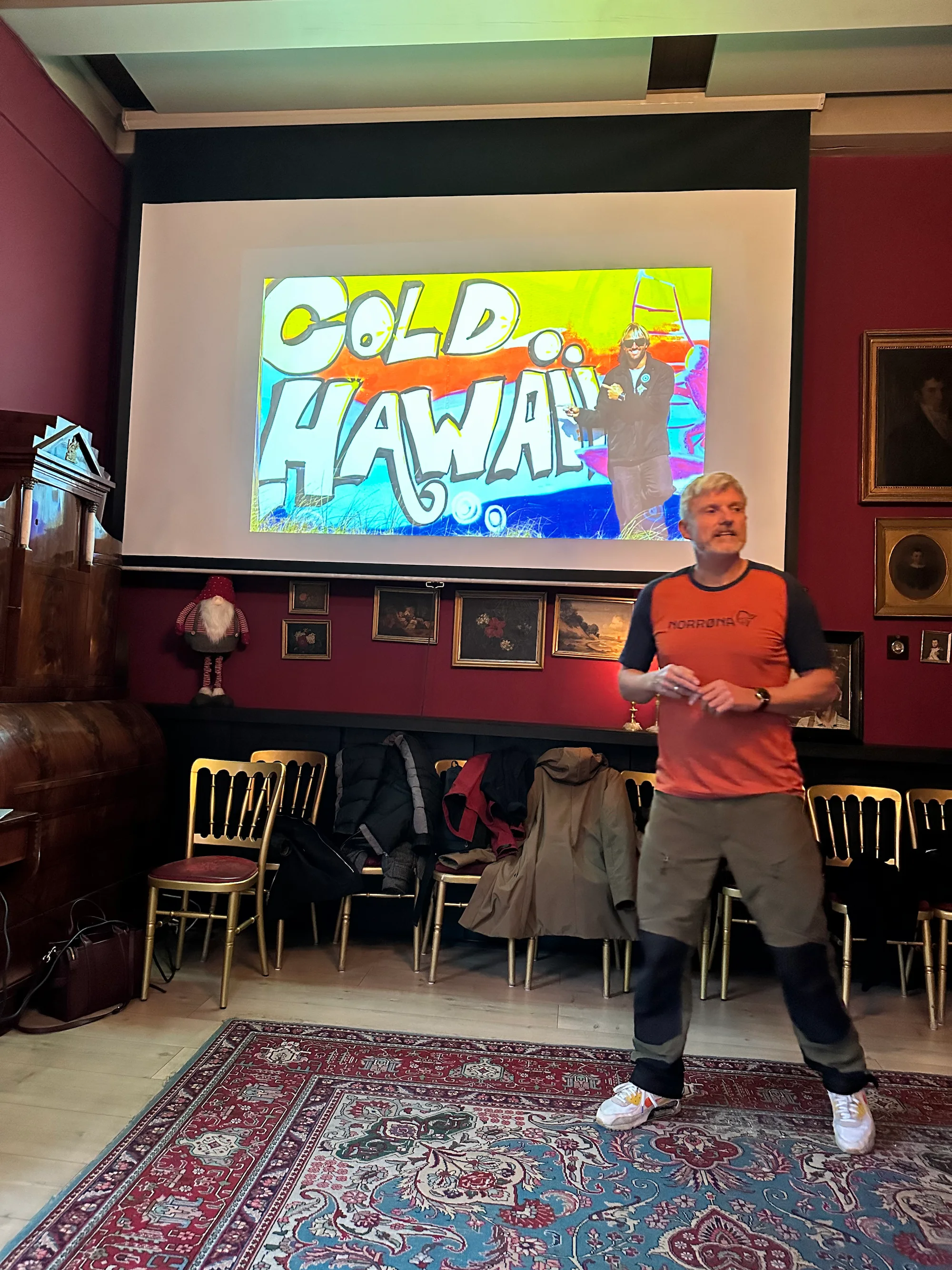
- Cold Hawaii in Denmark as an example of how place-based tourism initiatives can catalyse social and economic development in rural areas (Rasmus Johnsen)
- How the Maine Oyster Trail promotes sustainable working waterfronts as powerful drivers of economic resilience and cultural pride, which lays the groundwork for meaningful tourism that supports local livelihoods and promotes ocean stewardship (Jaclyn Robidoux)
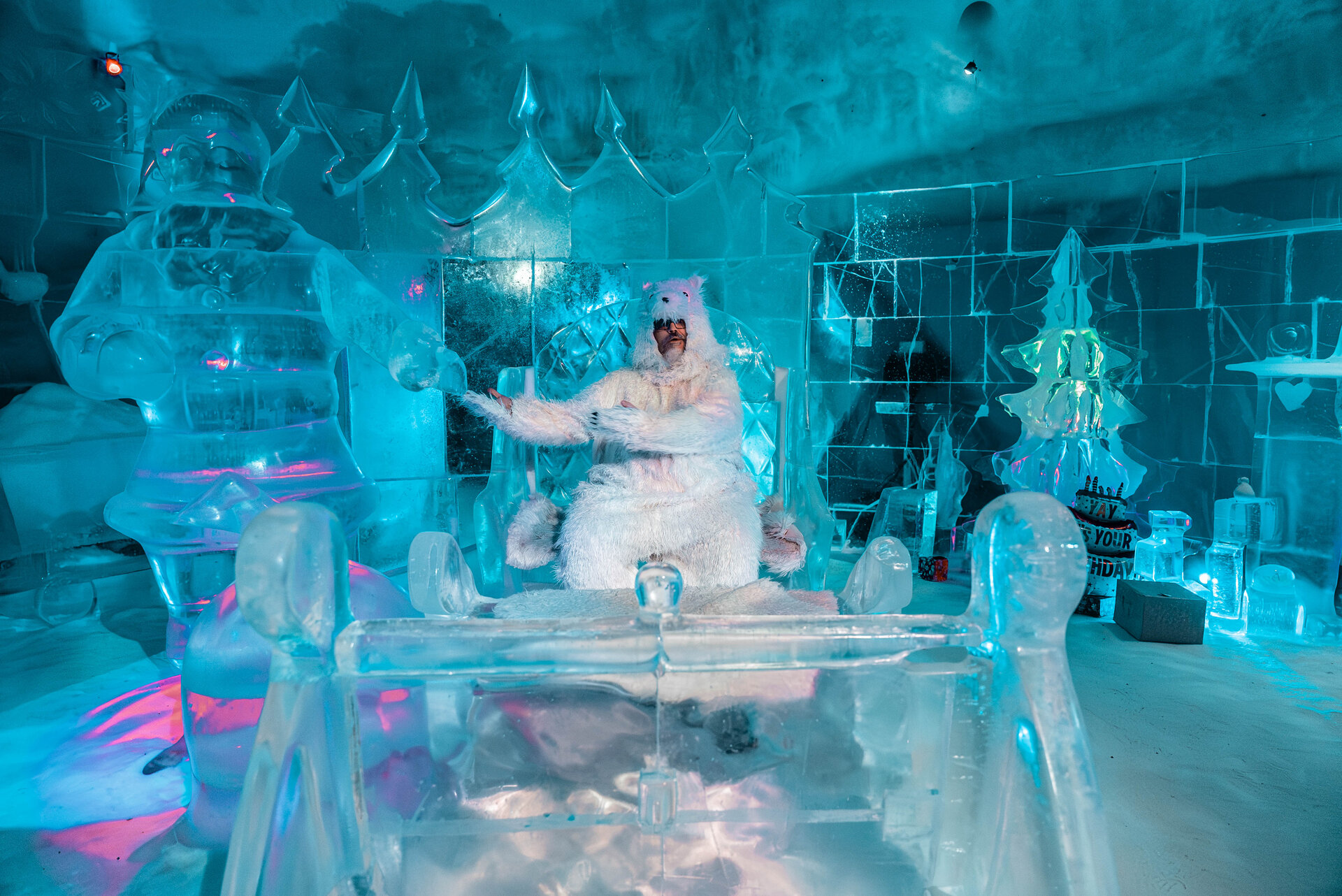
The parallel sessions offered examples of inclusive coastal activities from around the North Atlantic—from sailing as cultural heritage to accessible coastal experiences and local food initiatives. The conference’s concluding presentation, by Anna Karlsdóttir, looked at the effect of cruise tourism on small Arctic communities and called for better management of its growth. Her presentation was followed by a panel discussion about cruise tourism that identified the opportunities and the challenges it poses for remote coastal communities, while also repeating the call for better management, specifically through strategic planning and local engagement.
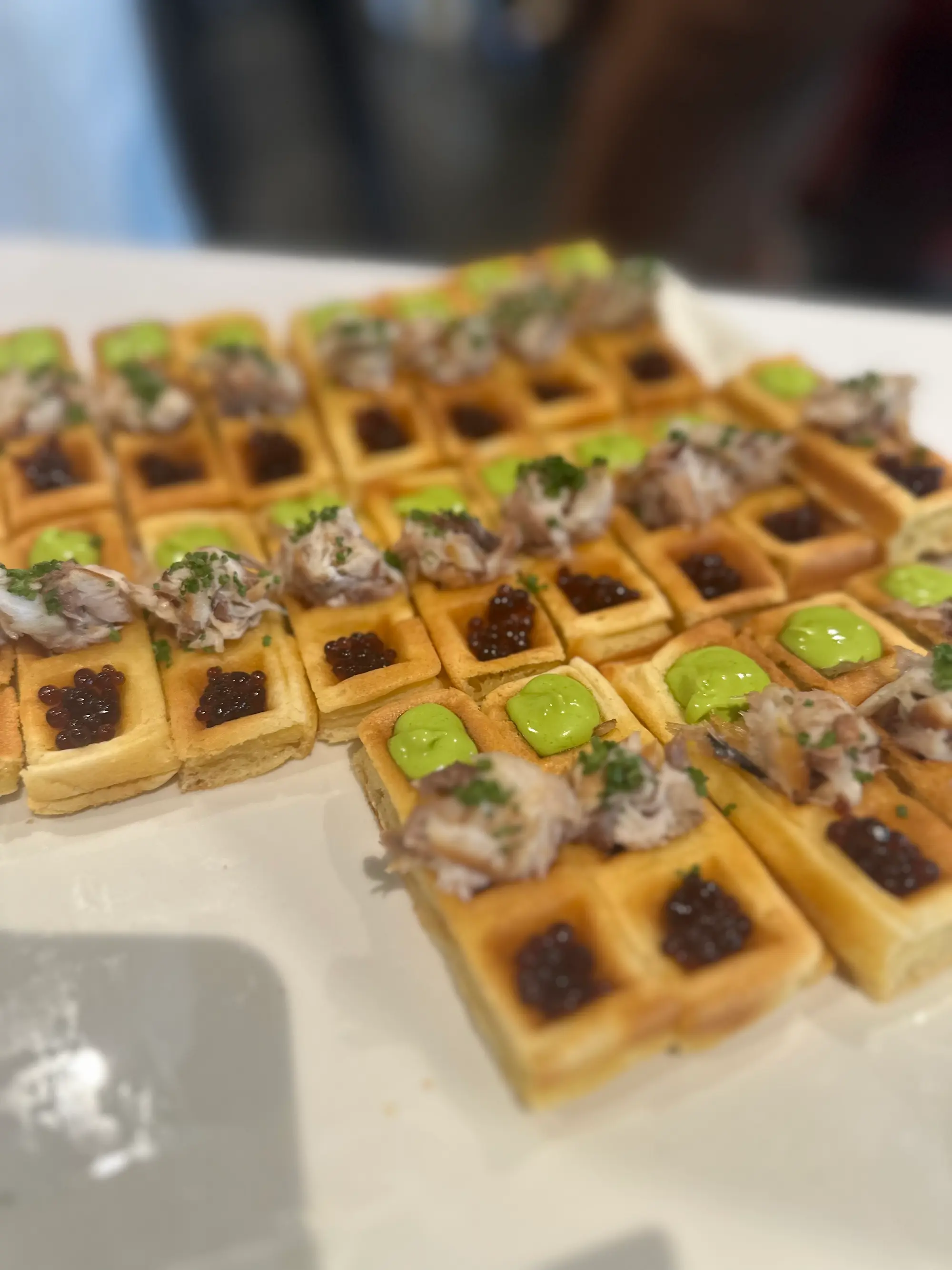
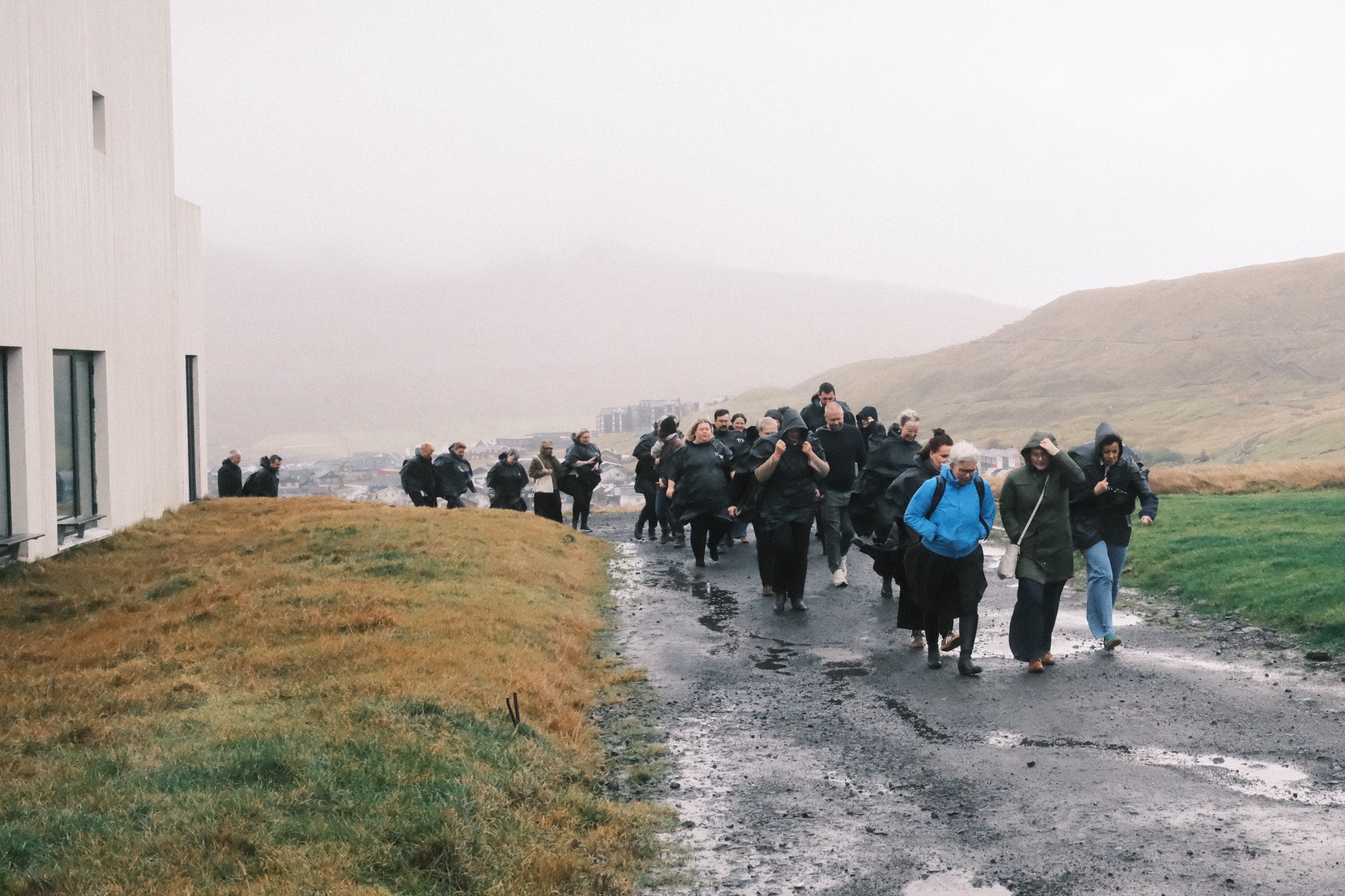
The programme also included social activities. The first day ended with an event hosted by Tórshavn Council at Skeiva Pakkhús—an old waterfront warehouse—featuring food based on NORA’s Arctic Young Chef initiative. On the afternoon of the second day, delegates could choose between different excursions, all in one way or another connected to the ocean. The activities offered participants ample opportunity to network and continue discussing the conference presentations and the findings in a more informal and relaxed setting.
Read more about the conference.
Evaluation and results
The evaluation showed that the conference largely met participants’ expectations. Participants especially highlighted the value of new knowledge, fresh insights and strengthened networks, which can provide a basis for future collaboration across the region. The conference brought together stakeholders from different fields and countries around a shared understanding that the development of blue tourism in the North Atlantic must be regenerative, community-based and involve collaboration among regions.
There was broad agreement that the success of tourism should be measured more by the value it creates for communities, culture and nature, and less by visitor numbers alone. At the same time, the conference underlined the importance of continued knowledge-sharing, partnerships and political support in realising the region’s potential for sustainable marine and coastal tourism.
Read the full evaluation and final report.



The North Atlantic is not a periphery — it is a connected, living network of communities, ideas and resources shaping the future of sustainable development.

Det NORA-finansierede projekt ICE Arctic Youth Community (ICEAYC) er nu i sit tredje og sidste år under NORA’s vinger. Det dynamiske, treårige initiativ, ledet af Sør-Varanger Utvikling / ICE Kirkenes, har haft over 80 ansøgere fra NORA-området – herunder en stærk repræsentation fra Grønland.

Det NORA-finansierede projekt ICE Arctic Youth Community (ICEAYC) er nu i sit tredje og sidste år under NORA’s vinger. Det dynamiske, treårige initiativ, ledet af Sør-Varanger Utvikling / ICE Kirkenes, har haft over 80 ansøgere fra NORA-området – herunder en stærk repræsentation fra Grønland.
As part of its 2025 NORA chairship, the Faroe Islands chose to host a conference dedicated to exploring the potential of marine and coastal tourism in the North Atlantic.
The background for selecting the theme was the belief that innovation and coastal tourism hold the key to unlocking sustainable growth across the NORA area. Despite the ocean’s central role for North Atlantic communities—geographically, economically and culturally—current tourism products and activities remain limited, often centred around fishing trips and traditional sightseeing.
The key questions were therefore:
How can tourism providers and stakeholders across the region develop and expand innovative and regenerative marine and coastal tourism experiences?
And how can we ensure that these create long-term value for local communities?
The Ocean of Opportunities conference took place at Hotel Føroyar in Tórshavn on 21 and 22 October and brought together more than 120 participants from across the Nordic region, Orkney, Ireland, the Azores, Italy and the United States. As the lead organiser, NORA created a platform for dialogue, knowledge-sharing and collaboration on the development of sustainable blue tourism.
Purpose and content
The two-day programme featured presentations, workshops and discussions. Laura Storm spoke about the importance of regenerative leadership, including the need to rethink blue tourism in order to move beyond the “doing less harm” approach and towards regenerative principles that restore and revitalise both people and nature. Cillian Murphy, meanwhile, emphasised that sustainable tourism begins within the community, and that community buy-in is essential if destinations are to develop in a socially responsible manner.
Participants were also introduced to a number of inspiring case studies, including:
- Examples from the Azores of educational activities that combine science and tourism (Carla Dâmaso)
- Cold Hawaii in Denmark as an example of how place-based tourism initiatives can catalyse social and economic development in rural areas (Rasmus Johnsen)
- How the Maine Oyster Trail promotes sustainable working waterfronts as powerful drivers of economic resilience and cultural pride, which lays the groundwork for meaningful tourism that supports local livelihoods and promotes ocean stewardship (Jaclyn Robidoux)
The parallel sessions offered examples of inclusive coastal activities from around the North Atlantic—from sailing as cultural heritage to accessible coastal experiences and local food initiatives. The conference’s concluding presentation, by Anna Karlsdóttir, looked at the effect of cruise tourism on small Arctic communities and called for better management of its growth. Her presentation was followed by a panel discussion about cruise tourism that identified the opportunities and the challenges it poses for remote coastal communities, while also repeating the call for better management, specifically through strategic planning and local engagement.
The programme also included social activities. The first day ended with an event hosted by Tórshavn Council at Skeiva Pakkhús—an old waterfront warehouse—featuring food based on NORA’s Arctic Young Chef initiative. On the afternoon of the second day, delegates could choose between different excursions, all in one way or another connected to the ocean. The activities offered participants ample opportunity to network and continue discussing the conference presentations and the findings in a more informal and relaxed setting.
Read more about the conference.


The Region
NORA brings together self-governing territories and coastal regions united by shared geography, maritime heritage, and opportunity — from Norway's coast to the edges of the Arctic.
NORA's Committee is made up of delegations that meet up to twice per year. The chairmanship rotates between member countries. Norway held the leadership in 2025.
No decisions may be made prior to reviews and negotiations. The principle of consensus should be applied in negotiations whenever possible. For decisions of principle to be approved, none of the delegations may oppose the decision.